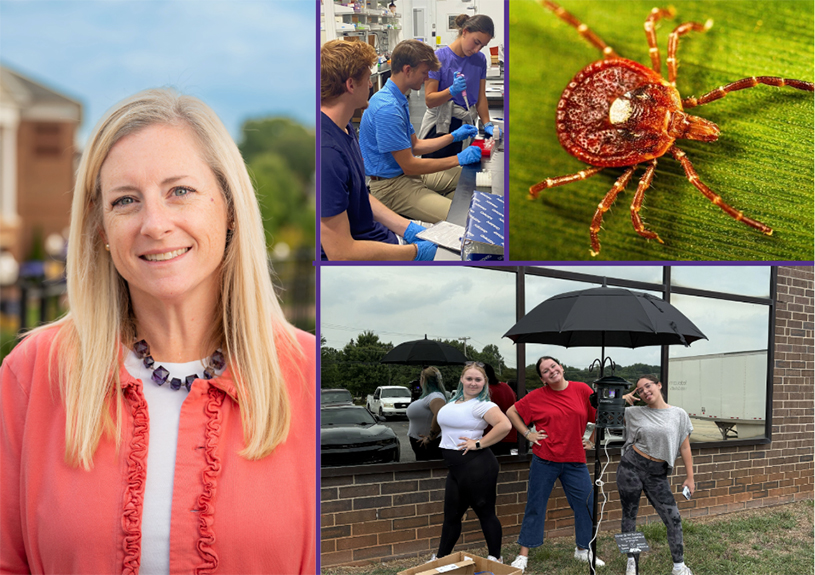
 Dr. Megan Bowman – The Bowman Lab applies molecular and genetic tools to questions in ecology, biodiversity, and public health. I approach this work through a One Health lens — recognizing that human, animal, and environmental health are deeply interconnected. My program is increasingly focused on vector-borne disease ecology, alongside ongoing projects in campus biodiversity, solitary bee development, and plant physiology. Undergraduate researchers gain experience across the full arc of scientific inquiry: field collection, laboratory bench work, and bioinformatic analysis. Projects include surveying mosquito and tick populations for disease risk across North Carolina, studying how native versus ornamental campus plantings affect insect biodiversity, using RNA-sequencing to understand how gene expression shapes bee developmental timing, and applying DNA barcoding in collaborative plant biology research.
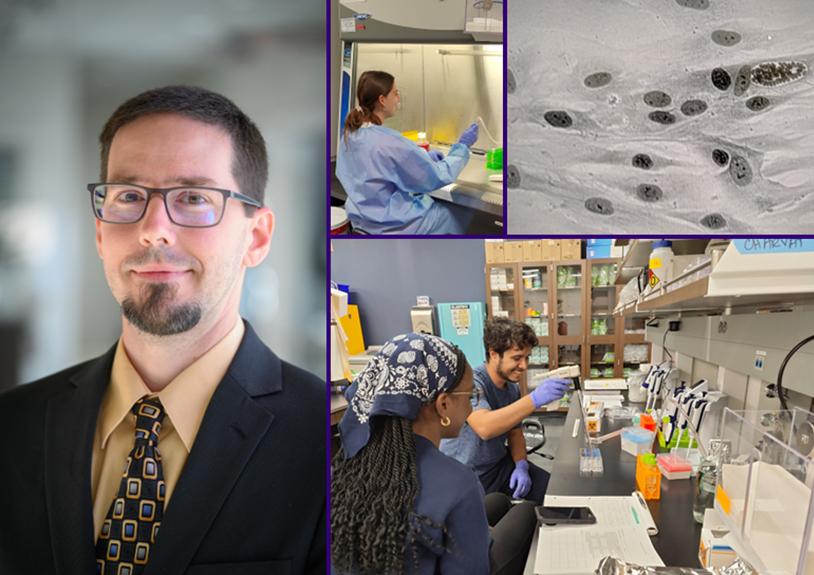 Dr. Robert Charvat – The Charvat lab studies Toxoplasma gondii, a parasite found around the world infecting approximately one-third of the human population. Toxoplasmosis, the disease caused by infection with T. gondii, is the second leading cause of death from food-borne illness in the United States, and for which there are currently no efficacious treatments. As a result, our group is broadly interested in novel drug discovery and understanding the mechanism of action of those compounds as well as others with intriguing effects on normal parasite biology.
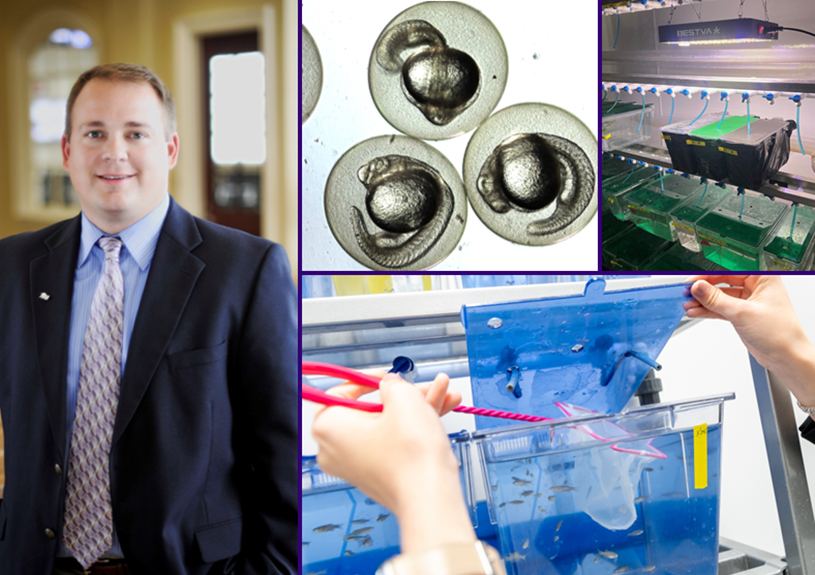 Dr. Neil Coffield – Our lab focuses on using Danio rerio, commonly known as zebrafish, to study the reproductive and developmental effects of embryonic exposure to endocrine disruptors and other environmental factors. Zebrafish are an ideal model organism for toxicology research due to their transparent embryos, rapid development, and physiological similarities to humans. These characteristics allow us to observe developmental processes in real-time and draw parallels to human biology. Future experiments will focus on fish behavior after EDC exposure by monitoring schooling, color preference, and feeding. These studies are aimed at helping us understand the broader ecological impacts of chemical exposure. By elucidating the mechanisms underlying these effects, we aim to contribute to the development of environmental practices that protect both human health and aquatic ecosystems.
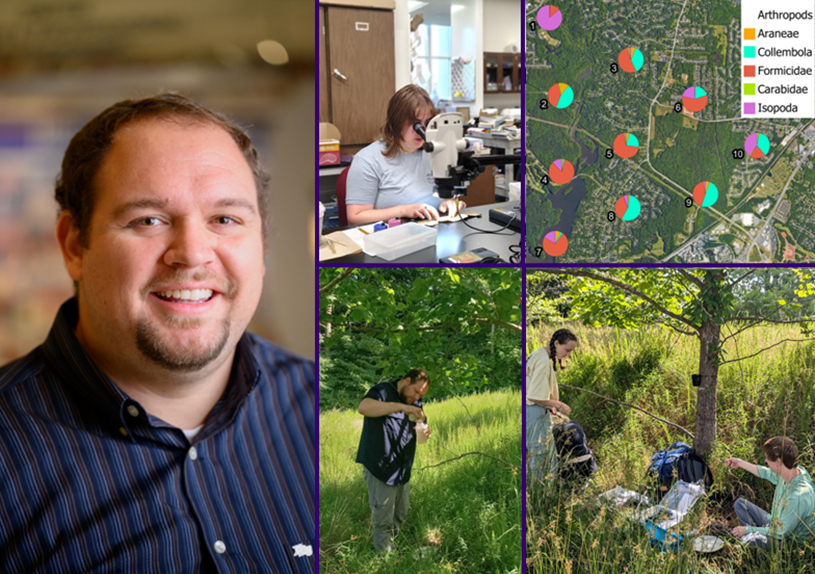 Dr. Daniel Greene – In the Greene lab, we are interested in measuring how arthropod community patterns change across managed and natural landscapes in response to/alongside environmental gradients (e.g., climatic and landscape data). Specifically, we are researching how different arthropod taxa/functional groups (e.g., ants overall, decomposers, predators, etc.) respond to urbanization here in the Piedmont Lowlands physiographic province of the Appalachian Highlands. We sample arthropods using methods such as pitfall traps and mosquito oviposition cups, gather local environmental data via sensors that we deploy, and utilize geospatial land cover data layers (e.g., USDA Copland Data Layer) to understand how arthropod communities are spatiotemporally structured. We spend our time identifying a wide variety of arthropods, learning different ecological modeling and mapping techniques, understanding our findings within the context of climate change, and enjoying our fieldwork! Please reach out to us at any time, as we love to collaborate and learn from others!

Dr. Christina Harvey – Do you prefer light meat or dark meat? What’s the difference, anyway? Animal muscle tissues are incredibly diverse in their biomechanical properties. Some muscles are very fast but are energetically expensive. Others are slow but fatigue resistant. These differences usually result from changes to the muscle’s underlying protein composition. In the EvoPhys lab, we explore the evolutionary history of muscle proteins to better understand how muscles have diversified across animal evolution to support distinct life strategies. While our investigations focus most often on avian muscle tissues, we have also explored questions related to fish, amphibians, reptiles, and even deep-diving mammals. We are an interdisciplinary lab that utilizes a combination of bioinformatic approaches. Our work also focuses on reducing wasteful animal use by exploring public datasets or limiting animal collection to invasive and detrimental species when possible. We love collaboration! Please don’t hesitate to reach out if you’d like to get involved!
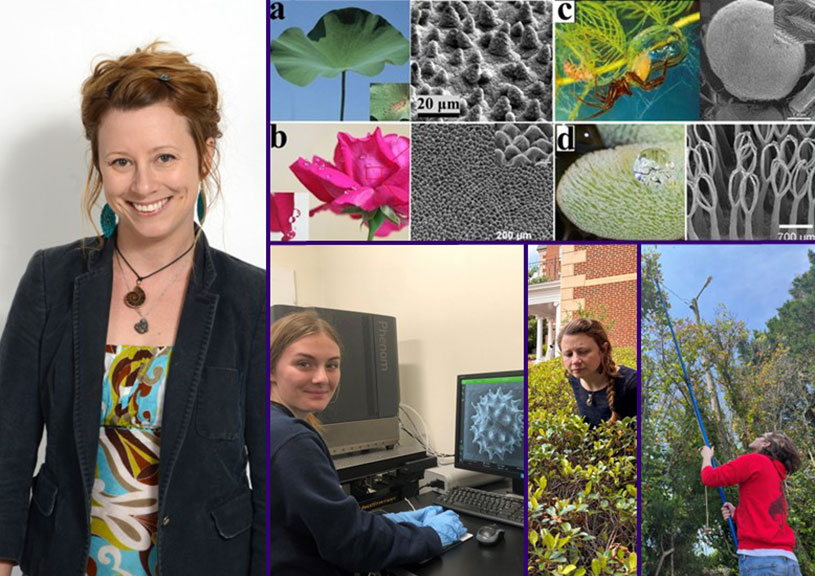 Dr. Niky Hughes – My lab research is the physiological adaptations of plants to environmental stress, with a focus on plant pigments. Questions my students and I have been exploring recently include: What factors influence autumn leaf color in temperate deciduous trees? Why do plants make red spots around microbial infections? Can surface structures of superhydrophobic leaves help us design more water-repellant, biofilm-resistant, surfaces? How do clouds impact plant water loss and carbon gain? Projects include a collaborative team of researchers at several institutions in the USA, seeking to determine which abiotic factors best predict autumn leaf color in North American deciduous trees. The exploration of novel patterns used by plants to achieve superhydrophobicity. In this study, students use scanning electron microscopy to image surface structures, and also take nano-imprints of fresh leaves in order to make 3D molds. My Research Gate Profile My Google Scholar Profile
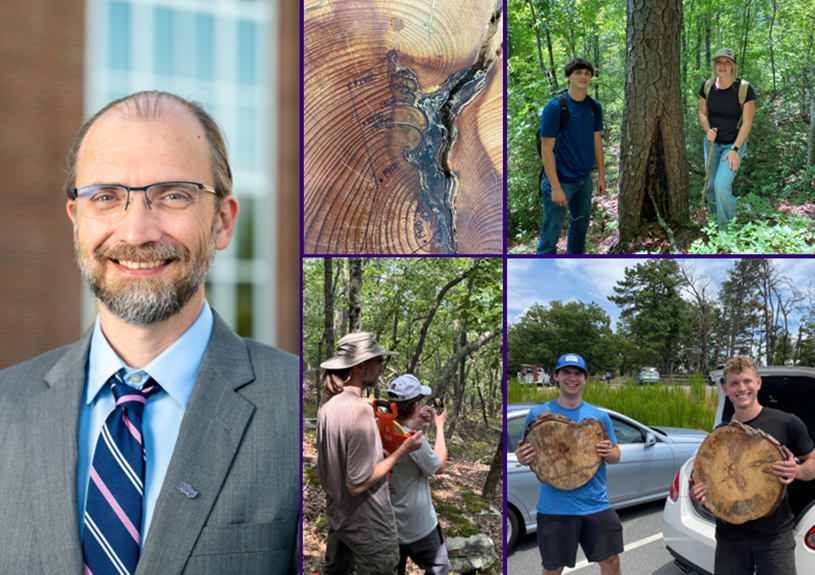 Dr. Dane Kuppinger – My lab studies the effects of fire in dry forest communities of the Piedmont with a focus on the Sauratown Mountains of North Carolina. We utilize dendrochronology to uncover the history of fire within a community and its impacts upon forest structure and composition. GIS mapping techniques allow us to estimate the extent of historical fires. This work has allowed us to document the previously unknown fire history of Pilot Mountain State Park back to 1853 and measure the effect of land management, ownership patterns, and land use practices upon the mountain. Ongoing work at Hanging Rock State Park will extend our understanding of fire and vegetation dynamics across the majority of the Sauratown Mountains.
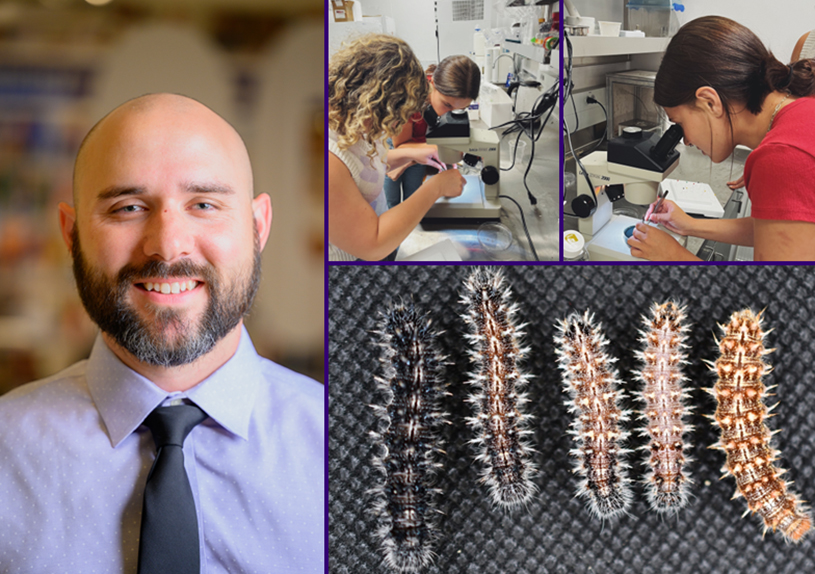 Dr. Ken McKenna – Our lab at HPU aims to understand how the structure of developmental processes contributes to the direction of phenotypic and genetic evolution. Specific research projects employ genetic, cellular, and physiological assays with a primary focus on the development of larval color patterns in butterflies and moths, requiring creativity, patience, fortitude, and most of all, a driving curiosity to unravel the mysteries of biological evolution. Our lab values community and a team based approach that ultimately fosters ambitious creativity that pushes the boundaries of current knowledge in evolutionary developmental biology.
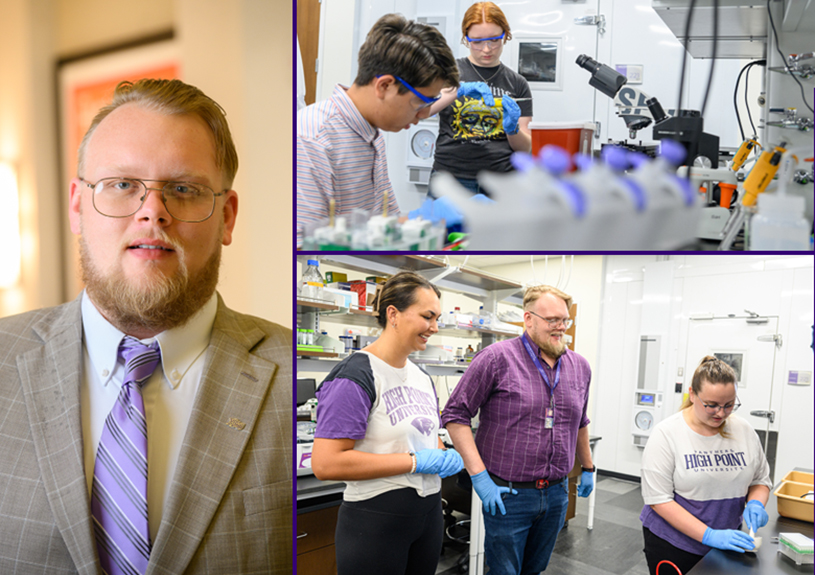 Dr. Alex Mosier – The Mosier lab studies the circadian clock, amolecular mechanism keeps time so that the organism can be proactive rather than reactive to changes due to the Earth’s day/ night cycle. This core clock is conserved across all branches of the tree of life. The first area of focus of the research is investigating how the core clock relays this temporal information through protein-protein interactions. The second part of the lab is looking into the novel field of quantum biology and studying how quantum mechanics impact and regulate the clock’s functionality.
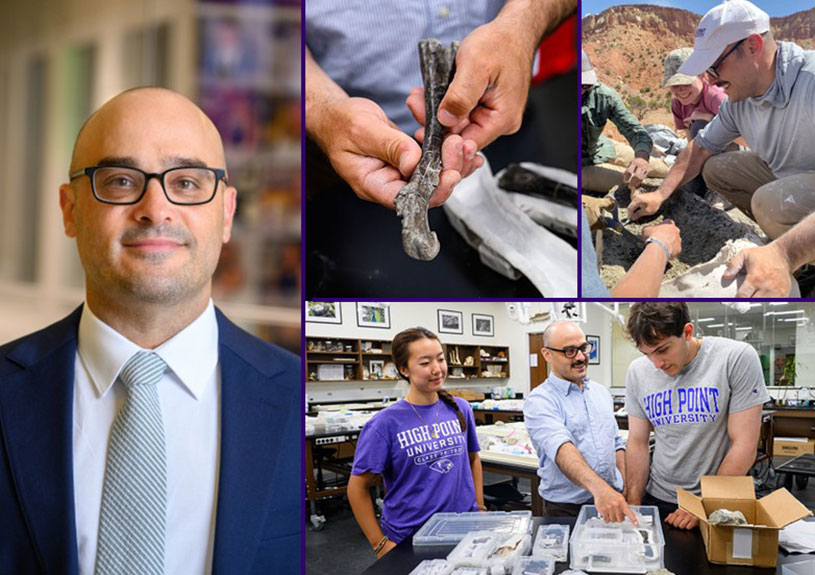 Dr. Josef Stiegler – The Stiegler lab studies the anatomy and evolutionary diversification of dinosaur fossil species and their close relatives. This past May, he took three students on a field research trip to New Mexico to collect new fossils from vertebrate animals that lived during the Norian stage of the Late Triassic Period (about 220-210 million years ago).
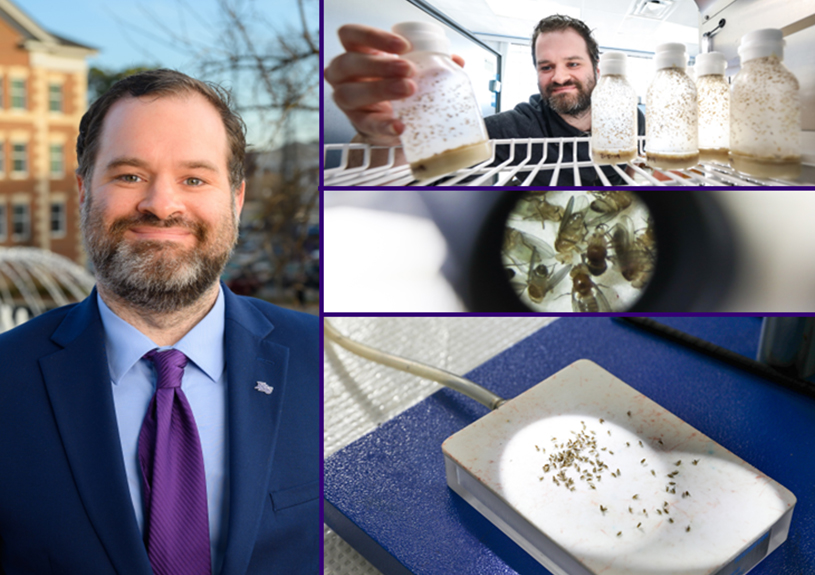 Dr. Matt Talbert – I work primarily in Drosophila melanogaster, using the extensive genetic and genomic tools available in this model system to investigate the molecular mechanisms influencing traits related to aging, obesity, diabetes, behavior, and development. Some of my most significant work has involved transcriptomic study of the fly head capsule during diet-induced obesity, the influence of diet-induced obesity on memory, as well as investigating the molecular framework of peripheral insulin-like peptide resistance. The Talbert Lab is currently interested in using genome wide association study to identify genetic modifiers of body proportion and body size scaling.
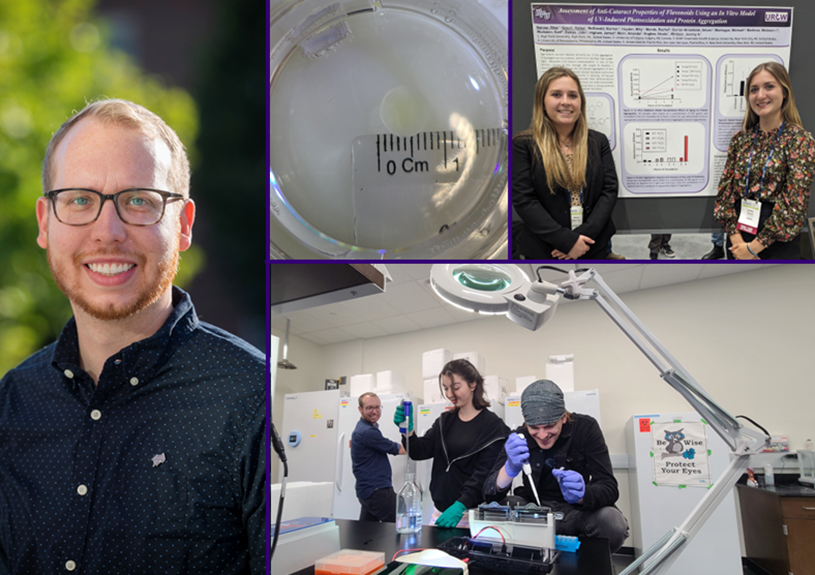 Dr. Jeremy Whitson – In the Whitson lab, we study the molecular changes that occur in our cells with age and whether different natural products can affect these processes. In particular, we are focused on measuring the age-related posttranslational modifications that occur in the eye lens, which play a causative role in the development of age-related nuclear cataract; the leading cause of blindness globally. We use a variety of techniques on mouse and monkey lenses, including Western blots, turbidity assays, proteomics, and metabolomics to answer research questions.